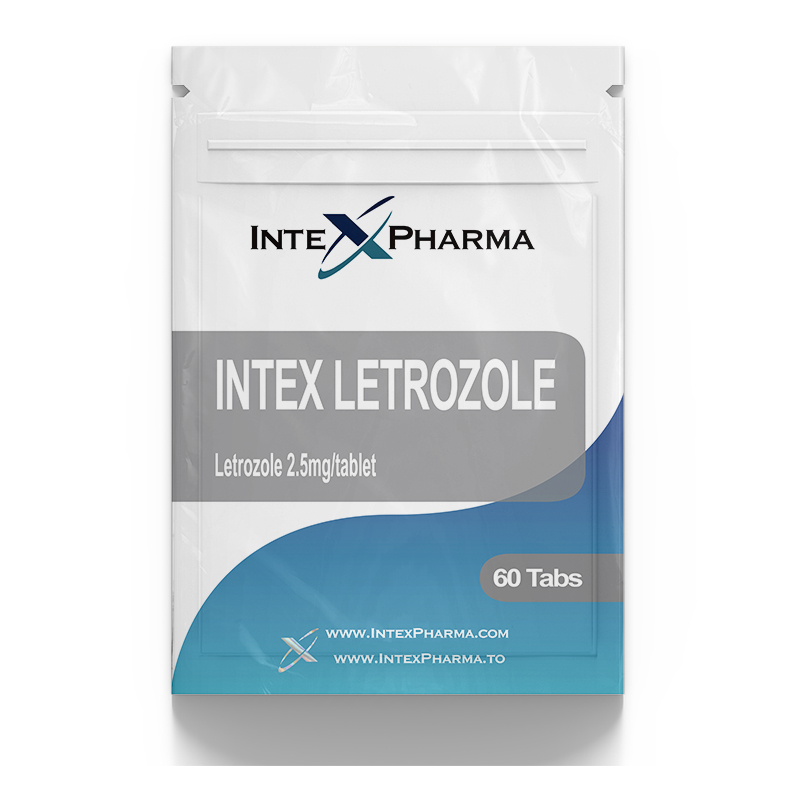
Letrozole 2.5mg is a medication primarily used in the treatment of hormone receptor-positive breast cancer in postmenopausal women. It works by inhibiting the aromatase enzyme, which converts androgens into estrogen. By lowering estrogen levels in the body, Letrozole can effectively slow or halt the growth of estrogen-dependent tumors. Here are the key benefits of Letrozole:
Benefits of Letrozole 2.5mg:
Breast Cancer Treatment:
Letrozole is highly effective in treating hormone receptor-positive breast cancer in postmenopausal women. Estrogen promotes the growth of certain types of breast cancer, and Letrozole helps reduce estrogen levels, slowing or halting tumor growth. It can also prevent recurrence, shrink tumors, and slow disease progression, making it a critical component in cancer treatment regimens.
Hormone Regulation:
By inhibiting estrogen production, Letrozole plays a vital role in maintaining a low estrogen environment in the body. This regulation of estrogen is important not just for breast cancer treatment but also in conditions where excess estrogen may contribute to health issues, such as endometriosis or uterine fibroids.
Increased Fertility:
Off-label, Letrozole is sometimes used as a fertility treatment for women with ovulation-related infertility. By lowering estrogen levels, Letrozole can stimulate the pituitary gland to release follicle-stimulating hormone (FSH), which promotes the development and release of eggs from the ovaries, thus enhancing ovulation and improving chances of conception.
Precise Dosage Control:
Letrozole 2.5mg comes in a standardized dosage, making it easier to achieve accurate and consistent dosing. Typically, this dosage is taken once daily, ensuring reliable administration over the prescribed duration, whether for cancer treatment or fertility enhancement.
Conclusion:
Letrozole is a versatile medication used primarily for breast cancer treatment, but also for hormone regulation and fertility enhancement. Its ability to inhibit estrogen production makes it valuable in treating estrogen-dependent cancers, controlling hormonal imbalances, and helping women with ovulatory infertility. It offers precise dosage control, making it an effective treatment option in these contexts.